Your Complete Winter Guide to Ranthambore Safaris
Ranthambore National Park transforms into an enchanting wilderness landscape between October and March. With crisp morning breezes, golden light filtering through ancient banyan canopies, and pleasant daytime temperatures, winter serves as the premier season for wildlife enthusiasts to explore this famed jungle.
Understanding Winter Climate and Wildlife Dynamics
Winter weather across the Sawai Madhopur region brings brisk mornings and evenings, with temperatures regularly dropping to between 5°C and 10°C. By afternoon, mild sunshine warms the forest floor up to a comfortable 22°C to 26°C.
This temperature variation plays a critical role in predator behavior. Because reptiles and mammals seek thermal comfort, tigers often leave thick brush during mid-morning to stretch out along exposed rocks, open forest tracks, and stone ledges near ancient ruins.

Safari Shifts and Timings
Forest department regulations adjust safari operational hours during the winter period to align with daylight availability.
Morning Shift: Typically commences around 7:00 AM and concludes by 10:30 AM.
The initial hour is brisk and misty, requiring warm attire while tracking fresh pugmarks left overnight. Afternoon Shift: Typically runs from 2:00 PM until 5:30 PM, ending just before the evening chill sets in over the forest.
Both shifts provide exceptional opportunities for photography, though morning safaris offer soft golden hour mist while afternoon drives feature sharp, warm sunlight on rocky ravines.
Choosing the Ideal Safari Vehicle
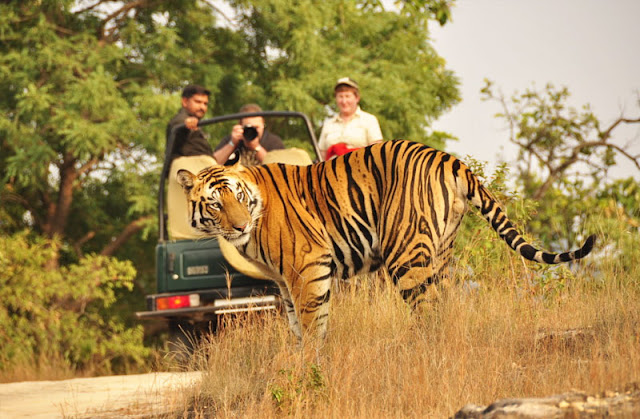
Visitors can choose between two main safari vehicle types sanctioned by the Rajasthan Forest Department: six-seater open-top gypsies and twenty-seater open canters.
A
Overview of Ranthambore Safari Zones
The park features ten distinct safari zones allocated via an automated forest roster.
Core Zones 1 through 5: These zones encircle historic landmarks such as Jogi Mahal, Raj Bagh, and the massive Ranthambore Fort.
Lakes and perennial water sources make these core zones renowned for apex predator movements, marsh crocodiles, and herds of spotted deer. Buffer and Outer Zones 6 through 10: Extending into diverse terrains from steep cliffs to dry deciduous plateaus, these zones are prime habitats for leopards, sloth bears, caracals, and striped hyenas alongside thriving resident tiger territories.
Every zone maintains viable wildlife populations, and tracking relies heavily on listening for alarm calls from chital and langurs rather than relying on zone designations alone.
Essential Winter Safari Packing Checklist
Surviving the morning wind-chill inside an open safari vehicle requires thoughtful preparation:
Layered Clothing: Wear thermal innerwear under fleece jackets and windbreakers so layers can be removed as the day warms up.
Accessories: Pack a woolen beanie, gloves, neck gaiter, and polarized sunglasses to protect against wind chill and morning glare.
Field Gear: Bring binoculars for scanning thickets and a telephoto camera lens with a microfiber cloth to protect lenses from dry track dust.
Documentation: Keep the original government identity card matching your safari permit ready for verification at the park checkpoints.
Relaxing at Ranthambore Tiger Resort
After a thrilling morning tracking predators through the wild, retreating to a peaceful sanctuary enhances the entire safari journey. Guests looking for unmatched comfort and authentic hospitality often choose a
Ranthambore Tiger Resort combines rustic wilderness architecture with modern amenities, offering spacious cottages, landscaped garden grounds, and bonfire evenings that capture the true essence of Rajasthan. Enjoying warm local delicacies and sharing stories around the evening fire provides the perfect complement to adventurous forest explorations.
Securing Your Winter Bookings
Winter marks the peak tourist season for wildlife travel in northern India. Safari permits and boutique accommodations fill up months in advance, particularly around Diwali, Christmas, and New Year holidays.


Comments
Post a Comment