Ranthambore: Why It’s Famous and Top Attractions Explained
Nestled in the rugged terrains of Rajasthan, Ranthambore is a place where nature, wildlife, and heritage coexist in perfect harmony. Known primarily for its majestic tigers and ancient fort, this region has long been a favorite destination for travelers seeking authentic wildlife experiences in India. For those wishing to witness the untamed beauty of the wild in comfort, staying at a luxury resort in Ranthambore offers the perfect combination of serenity and adventure.
The Legacy of Ranthambore: A Blend of Nature and History
Ranthambore’s fame stretches far beyond its wildlife. Once the royal hunting ground of the Maharajas of Jaipur, this region carries with it centuries of regal heritage. At the heart of the landscape stands the iconic Ranthambore Fort, a UNESCO World Heritage Site that dates back to the 10th century. Perched atop a rocky hill, the fort offers panoramic views of dense forests, tranquil lakes, and the expansive plains below. Its ancient walls and temples whisper tales of valor and grandeur, making it a must-visit for history lovers and photographers alike.
The Tiger Reserve: Where the Wild Rules
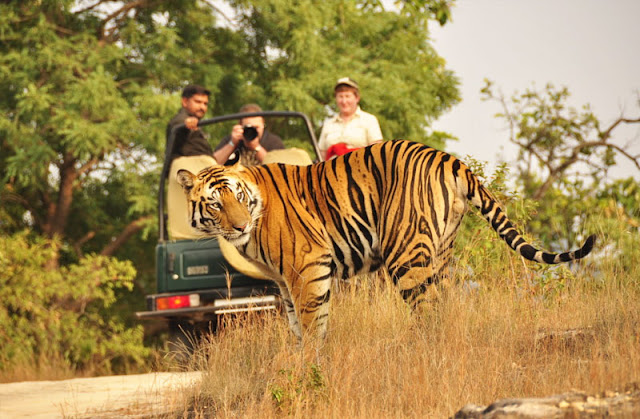
The Ranthambore National Park is undoubtedly the crown jewel of the region. Spanning over 1,300 square kilometers, it is one of India’s largest and most well-preserved wildlife sanctuaries. The park is home to a thriving population of Bengal tigers, as well as leopards, sloth bears, hyenas, and an impressive variety of bird species. Each safari offers a chance to encounter the wild in its rawest form, from the silent rustle of leaves to the roar of a tiger echoing through the forest.

Visitors are often drawn to the park’s captivating natural beauty—its dry deciduous forests, ancient banyan trees, and crystal-clear lakes create a surreal atmosphere that remains etched in memory. Whether you’re a wildlife photographer or a first-time traveler, the park offers an unparalleled connection with nature.
Exploring the Ranthambore Safari Zone
Ranthambore National Park is divided into ten safari zones, each with its own unique charm and wildlife density. The Ranthambore Safari Zone system ensures that animal sightings are more balanced and that tourism remains eco-friendly. Zone 1 and Zone 2 are particularly famous for frequent tiger sightings, while Zone 3 and Zone 4 are known for their scenic beauty with lakes, ruins, and lush greenery. Zone 6 to Zone 10, though slightly less explored, often reward visitors with tranquil landscapes and less crowded safaris.
Each safari in these zones offers something new—a glimpse of a mother tigress with her cubs, a herd of deer grazing by the lakeside, or migratory birds resting in the cool waters. Travelers are advised to book their safaris well in advance, as slots fill up quickly, especially during peak season.
Ranthambore Fort: The Heart of History and Architecture
Beyond its wildlife, Ranthambore captivates visitors with its architectural marvels. The Ranthambore Fort stands as a timeless sentinel overlooking the park, blending historical significance with panoramic vistas. Within its walls lie ancient temples dedicated to Lord Ganesha and Shiva, step wells, and remnants of palaces that once housed the royals. A trek up to the fort is rewarded not just with stunning views but also with encounters with langurs, peacocks, and sometimes even deer wandering near the pathways.
The fort also serves as a symbolic reminder of Rajasthan’s valor and heritage—a place where history and wilderness merge seamlessly.
Lakes and Water Bodies: The Soul of Ranthambore’s Ecosystem
Ranthambore’s lakes are integral to its ecosystem. Padam Talao, the largest of them all, is famous for the ancient Jogi Mahal located at its edge. The reflection of the palace in the still waters at sunrise is a sight that leaves visitors spellbound. Rajbagh Talao and Malik Talao are equally enchanting, attracting crocodiles, birds, and herds of sambar deer. These water bodies provide ideal spots for wildlife photography and quiet reflection.
Birdwatching Paradise: A Haven for Ornithologists
While Ranthambore is celebrated for its tigers, it’s also a paradise for birdwatchers. Over 270 bird species have been recorded here, ranging from majestic eagles and owls to vibrant kingfishers and parakeets. During the winter months, migratory birds such as the Indian grey hornbill, serpent eagle, and painted stork can be spotted. Early morning safaris and the lake surroundings offer the best opportunities for birdwatching enthusiasts.
Experiencing Royal Hospitality: Staying at a Luxury resort in Ranthambore
The allure of Ranthambore is not just in its landscapes but also in the luxurious stays that elevate the experience. Resorts in the area combine traditional Rajasthani architecture with modern comforts, offering travelers a sanctuary after a day of exploration. Guests can unwind with spa therapies, savor local cuisine, or relax by the pool while being surrounded by the calls of the wild.
Such accommodations emphasize sustainability and eco-conscious living, ensuring that luxury blends harmoniously with nature. A stay here transforms a simple wildlife tour into an immersive experience—where comfort meets conservation and adventure meets serenity.
Why Ranthambore Stands Out
Ranthambore’s charm lies in its diversity—wildlife, history, architecture, and local culture all come together to create a destination that is both awe-inspiring and enriching. From thrilling safaris and ancient forts to serene lakes and luxury stays, every element of Ranthambore narrates a story of nature’s majesty and human heritage. It’s more than just a destination; it’s a living tapestry of India’s wild and royal past.
Whether you seek adventure, peace, or a brush with history, Ranthambore promises an unforgettable journey—one that touches the soul and stays with you long after you’ve left its gates.


Comments
Post a Comment