Planning a trip to the wilderness often begins with finding the perfect camp near Ranthambore, where the comforts of modern hospitality meet the raw, unfiltered beauty of nature. As you prepare to immerse yourself in one of India’s most iconic wildlife destinations, it is essential to understand that this landscape offers far more than just tiger sightings. This guide explores the must-visit locations that make this region a premier destination for travelers, wildlife enthusiasts, and history lovers alike.
The Majestic Ranthambore Fort
Perched atop a 700-foot-high hill, this UNESCO World Heritage Site serves as a sentinel overlooking the vast expanse of the park. Dating back to the 10th century, the structure is a fascinating blend of history and architecture, housing ancient temples, stepwells, and massive stone gateways. Walking through its ruins feels like stepping back in time, with langurs often seen leaping across ancient ramparts. The panoramic views from the top provide an incredible perspective on the rugged topography that defines this unique resort in Ranthambore region.
The Spiritual Legacy of Trinetra Ganesh Temple
Located deep within the fortifications of the historic fort, the Trinetra Ganesh Temple is one of the oldest and most revered shrines in Rajasthan. Dedicated to Lord Ganesha, it is unique for depicting the deity with three eyes, symbolizing his omnipresence. Pilgrims travel from across the country to seek blessings here, especially during the vibrant Ganesh Chaturthi festival. The temple is more than just a religious site; it is a center of spiritual energy nestled in the heart of the wilderness, offering a serene contrast to the thrill of the jungle.
The Natural Beauty of Padam Talao
As the largest lake inside the national park, Padam Talao is a central watering hole that draws a variety of wildlife throughout the year. Named for the lotus flowers that bloom in abundance, this water body is framed by dense forest and the iconic Jogi Mahal, a former hunting lodge. Photographers often favor this spot during the early morning hours, as the golden light hitting the water creates a cinematic backdrop for observing crocodiles, deer, and the occasional tiger emerging from the thicket to quench its thirst.
Engaging in a Memorable Safari
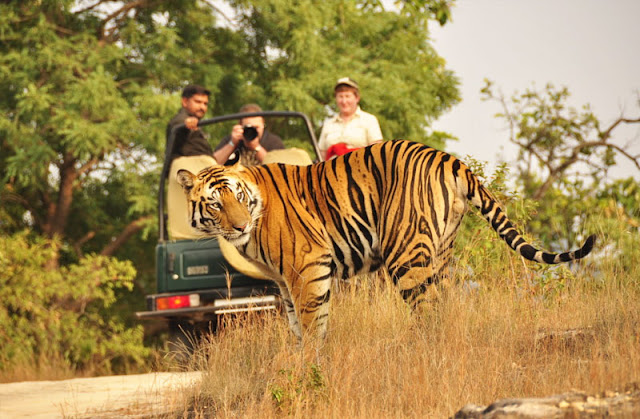
A jungle safari in Ranthambore is the ultimate way to witness the majesty of the Royal Bengal Tiger. The park is divided into ten distinct zones, each offering a unique ecosystem ranging from dry deciduous forests to dramatic rocky outcrops. Whether you choose a morning or afternoon excursion, the experience is dictated by the rhythms of the forest. Experts recommend booking multiple safaris to explore different zones, as each part of the park holds different surprises, from elusive leopards in the Kachida Valley to the bustling birdlife around Malik Talao.
Beyond the Safari: Local Culture and Art
When you aren’t exploring the forest, the town of Sawai Madhopur provides a cultural reprieve. You can visit the Ranthambore School of Art to see stunning wildlife paintings that celebrate the local fauna or head to the Dastkar Ranthambore project. This initiative supports local women by showcasing exquisite traditional crafts, including block printing and patchwork. These experiences allow you to support the community while taking home a piece of Rajasthan’s rich artistic heritage, ensuring that your visit contributes positively to the local economy.
Essential Tips for Your Journey
To ensure your experience remains seamless and respectful of the natural environment, consider these practical recommendations:
Always book your entry permits and transport well in advance, especially during the peak winter months.
Wear neutral-colored clothing that blends into the forest surroundings to avoid startling the animals.
Carry a pair of high-quality binoculars to observe wildlife from a safe and respectful distance.
Adhere strictly to the park’s noise regulations, keeping conversations at a whisper to enhance your chances of natural sightings.
Carry sufficient water and sun protection, particularly for afternoon excursions, to maintain your comfort in the shifting climate.
As you navigate the balance between the ancient fortresses and the wild heart of the forest, you will find that this region offers a profound connection to the natural world. Whether you are observing a tiger in its natural habitat or exploring the architectural remnants of a bygone era, the memories you create will last a lifetime.


Comments
Post a Comment