5 Best Sightseeing Places in Ranthambore for Travelers
Planning an unforgettable escape to the wild landscapes of Rajasthan requires a perfect balance between thrilling wilderness safaris and premium relaxation. Choosing a comfortable
1. Ranthambore Fort
Perched dramatically on a 700-foot hill inside the national park territory, the 10th-century Ranthambore Fort stands as a majestic UNESCO World Heritage Site that captures the royal essence of ancient Rajasthan. Built by the Chauhan rulers, this sprawling architectural marvel features massive stone gateways, impressive ramparts, and historic stepwells that have survived centuries of warfare. Walking through its rugged ruins provides visitors with a deep look into past eras of valor, royal families, and historic battles. The panoramic view of the surrounding forests, lakes, and valleys from the top of the fort walls is highly favored by landscape photographers and birdwatchers alike. It provides an unmatched vantage point to look down upon the very forests where kings once hunted.
2. Trinetra Ganesh Temple
Located right inside the heart of the fort complex, the Trinetra Ganesh Temple holds immense religious significance as one of the oldest and most famous temples in India. It is uniquely renowned for housing an ancient idol of Lord Ganesha featuring three eyes, depicted alongside his entire divine family. Devotees from across the globe send wedding invitations, letters, and prayers here daily to seek divine blessings for new beginnings. Attending the rhythmic morning or evening aarti provides a peaceful spiritual interlude to an action-packed wilderness trip, filling the ancient stone corridors with a serene resonance that contrasts beautifully with the wild call of the surrounding jungle.

3. Padam Talao and Jogi Mahal
As the largest lake within the national park boundaries, Padam Talao serves as an important natural water source where wildlife converges throughout the day. Early morning safaris often reveal chital deer, gray langurs, and giant marsh crocodiles resting near the grassy banks, while tigers occasionally visit the edge to drink water. Situated right on the scenic edge of the lake is the iconic Jogi Mahal, a historic red-stone hunting lodge used by the Maharajas of Jaipur. Adjacent to this beautiful lodge stands India’s second-largest banyan tree, making this entire spot incredibly scenic and a favorite backdrop for travelers capturing the essence of the park's natural heritage.
4. Raj Bagh Ruins
The Raj Bagh Ruins offer a cinematic blend of history and nature, situated beautifully between Padam Talao and Raj Bagh Talao. These ancient stone structures, consisting of broken arches, palace domes, and historic outhouses, are being steadily reclaimed by the dense jungle foliage and wild grasses. This specific area belongs to a prominent
5. Kachida Valley
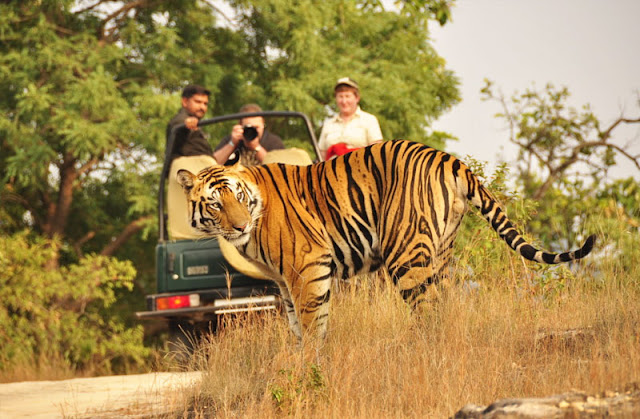
For travelers wanting to step away from the primary lake routes and experience a different terrain, Kachida Valley offers a quieter, rugged landscape dominated by low hills and rocky outcrops. Because dominant tigers tightly control the deep forest zones near the water bodies, leopards and sloth bears frequently inhabit this valley to avoid territorial conflicts. Exploring this peaceful valley via an open jeep provides excellent opportunities to witness the raw, undisturbed biodiversity of the reserve. The dry deciduous forests here open up into stunning clearings, offering a tranquil environment for enthusiasts looking to observe unique wildlife behaviors away from the busier tracking routes.
Designing Your Perfect Jungle Itinerary
To fully experience the diverse landscapes, historic ruins, and thrilling safaris without rushing, choosing a well-structured travel plan is essential for every visitor. Booking a curated


Comments
Post a Comment