Exploring Why Ranthambore National Park Is a Famous Wildlife Reserve
Nestled in the heart of Rajasthan, Ranthambore National Park stands as one of India’s most celebrated wildlife destinations, where nature’s raw beauty meets royal history. Home to the majestic Bengal tiger, this sanctuary is not just a haven for wildlife enthusiasts but also a living example of India’s successful conservation efforts. Whether you’re staying in a charming Luxury Resort in Ranthambore or embarking on an early morning safari, every moment spent here tells a story of wilderness and wonder that transcends time.
The Legendary Heritage of Ranthambore
Ranthambore’s fame is deeply rooted in its rich history, dating back to the 10th century when the Ranthambore Fort was a royal hunting ground for the Maharajas of Jaipur. Perched high on a hill, the fort overlooks vast grasslands, ancient ruins, and dense forests, creating a breathtaking setting for wildlife exploration. This unique blend of natural and historical charm adds to the park’s allure, making it a favorite among photographers, historians, and adventure seekers alike.

A Thriving Ecosystem of Diversity
Spread across more than 1,300 square kilometers, Ranthambore National Park showcases one of the most diverse ecosystems in India. The park is home to tigers, leopards, sloth bears, jackals, hyenas, sambar deer, and over 300 species of birds. Its mix of dry deciduous forest, open meadows, and rocky ridges provides the perfect environment for wildlife to flourish. Visitors often find themselves mesmerized by the call of peacocks at dawn, the rustle of leaves signaling a hidden predator, or the vibrant dance of langurs among ancient banyan trees.
The Star Attraction – The Bengal Tiger
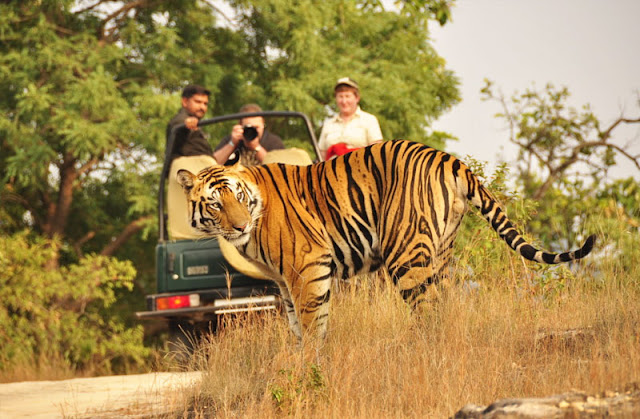
No mention of Ranthambore is complete without highlighting its most famous resident—the Bengal tiger. This majestic predator is the soul of the park and a symbol of India’s wildlife heritage. The chance to witness a tiger in its natural habitat is what draws travelers from across the world. Each tiger here has its own territory and story, often followed by wildlife photographers and researchers for years. The thrill of spotting one on a morning safari—its golden stripes gliding through tall grass—is an experience that leaves a lasting mark on every visitor.
Conservation and Responsible Tourism
Ranthambore’s success as a wildlife reserve is a testament to India’s commitment to conservation. The park was once severely affected by poaching and deforestation, but the introduction of Project Tiger in 1973 marked a turning point. Since then, efforts by forest officials, conservationists, and local communities have helped restore Ranthambore’s tiger population and maintain ecological balance. Today, the park serves as a model for sustainable tourism, where every visitor contributes to wildlife protection simply by choosing eco-conscious accommodation and following park regulations.
Experiencing Ranthambore: Safaris, Sights, and Stays
A safari in Ranthambore is not just an adventure—it’s a journey through time. Visitors can choose between jeep and canter safaris, each offering a unique perspective of the park’s terrain. Beyond the tiger trails, the Ranthambore Fort, Padam Talao Lake, and Jogi Mahal provide glimpses into the area’s regal past. For those seeking comfort after a thrilling day in the wild, the best hotel in ranthambore offers an exquisite blend of luxury and nature, ensuring every stay complements the spirit of exploration.
What Makes Ranthambore So Famous?
Ranthambore’s reputation as one of India’s top wildlife destinations stems from its perfect harmony between accessibility, biodiversity, and heritage. Located just a few hours from Jaipur, it is among the most easily reachable tiger reserves in the country. Its dense population of tigers increases the chances of sightings, while the scenic landscapes of lakes, cliffs, and fort ruins enhance the safari experience. Moreover, the park’s deep connection with conservation storytelling—supported by documentaries and travel features—has made it a global name in ecotourism.
Beyond Tigers: Hidden Wonders of Ranthambore
While tigers may steal the spotlight, Ranthambore offers countless other marvels. Birdwatchers can delight in sightings of kingfishers, parakeets, eagles, and the rare crested serpent eagle. Crocodiles bask near the tranquil Rajbagh Lake, while herds of deer graze peacefully in open meadows. The park’s flora, including the majestic banyan trees and dhok forest, adds another layer of natural beauty. For those who wish to learn more, exploring the Top 8 Interesting Facts About Ranthambore Wildlife Sanctuary provides fascinating insights into the region’s ecology and heritage.
The Ideal Time to Visit Ranthambore
Ranthambore National Park remains open from October to June, with the peak season between November and April. The winter months offer pleasant weather and increased chances of tiger sightings, as animals often come out during the cooler daylight hours. Whether it’s the golden hues of early morning safaris or the soft glow of sunset over the fort walls, every season paints a new face of Ranthambore’s wilderness.
Why Ranthambore Captures Every Traveler’s Heart
What truly makes Ranthambore National Park famous is not just its wildlife, but the emotion it evokes. It’s where the raw power of nature meets the quiet rhythm of heritage. It’s where every roar echoes with history, and every rustle tells a tale of coexistence. For travelers, it offers more than an adventure—it offers a connection to something timeless and pure. And for those who seek to experience this magic in comfort, staying at a renowned resort like Ranthambore Tiger Resort ensures that the charm of the wild is matched only by the warmth of Rajasthani hospitality.
Ranthambore is more than a destination—it’s a living canvas of India’s natural glory, painted with the stripes of its tigers and the echoes of its royal past. From luxury stays to thrilling safaris, every journey here becomes a memory etched in the heart, reminding us why protecting such sanctuaries is vital for the generations to come.


Comments
Post a Comment